· Software · 2 min read
End-to-End Culture Management
From collection management to research and provenance - workflow and digital asset technology is the future.
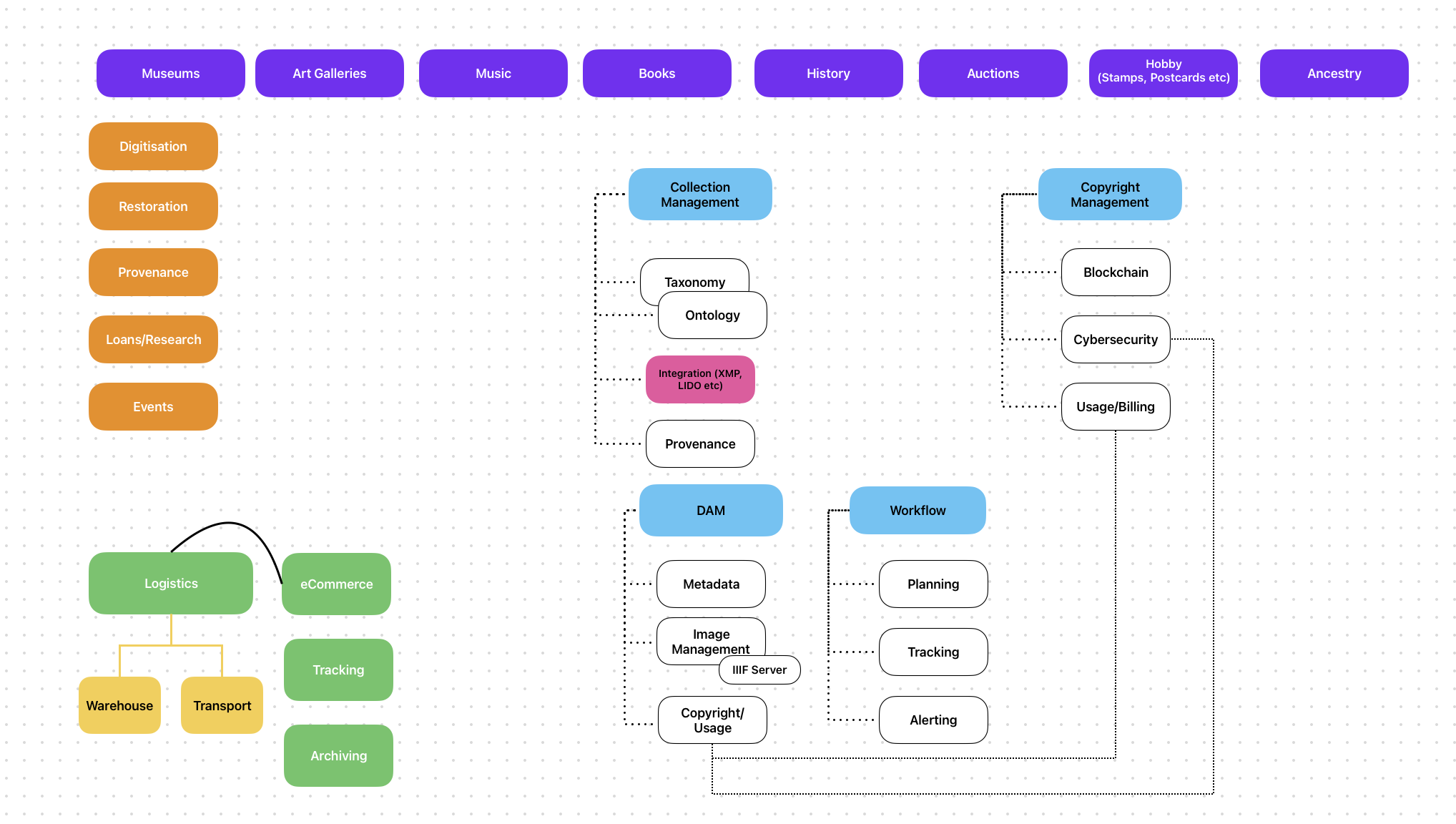
Managing digital assets and workflow processes is essential to the day to day running of a modern business in culture and academic domains.
Digital Asset Management
Digital Assets are files stored on computers that can be stored and retrieved using metatata, using structured (e.g. category trees) or free text type queries. A Digital Asset Managem system facilitates the storage and retrieval by extracting metatadata, processing images (e.g. generating thumbnails), extracting text (e.g. via OCR) etc.
A complete Digital Asset Management system will provide advanced security (authorisation and authentication, role based access etc), copyright protection, secure backups and recovery etc.
Physical Asset Management
Physical Assets are real world assets such as archeological artifacts, artwork, books etc. In the context of End-to-End Culture Management, these assets can be managed by using RFID or similar technology to track location (e.g. if being repaired, loaned out for an exhibition or put in storage).
Physical Assets will typically have one or more associated Digital Assets, for example images, digitised historical records etc.
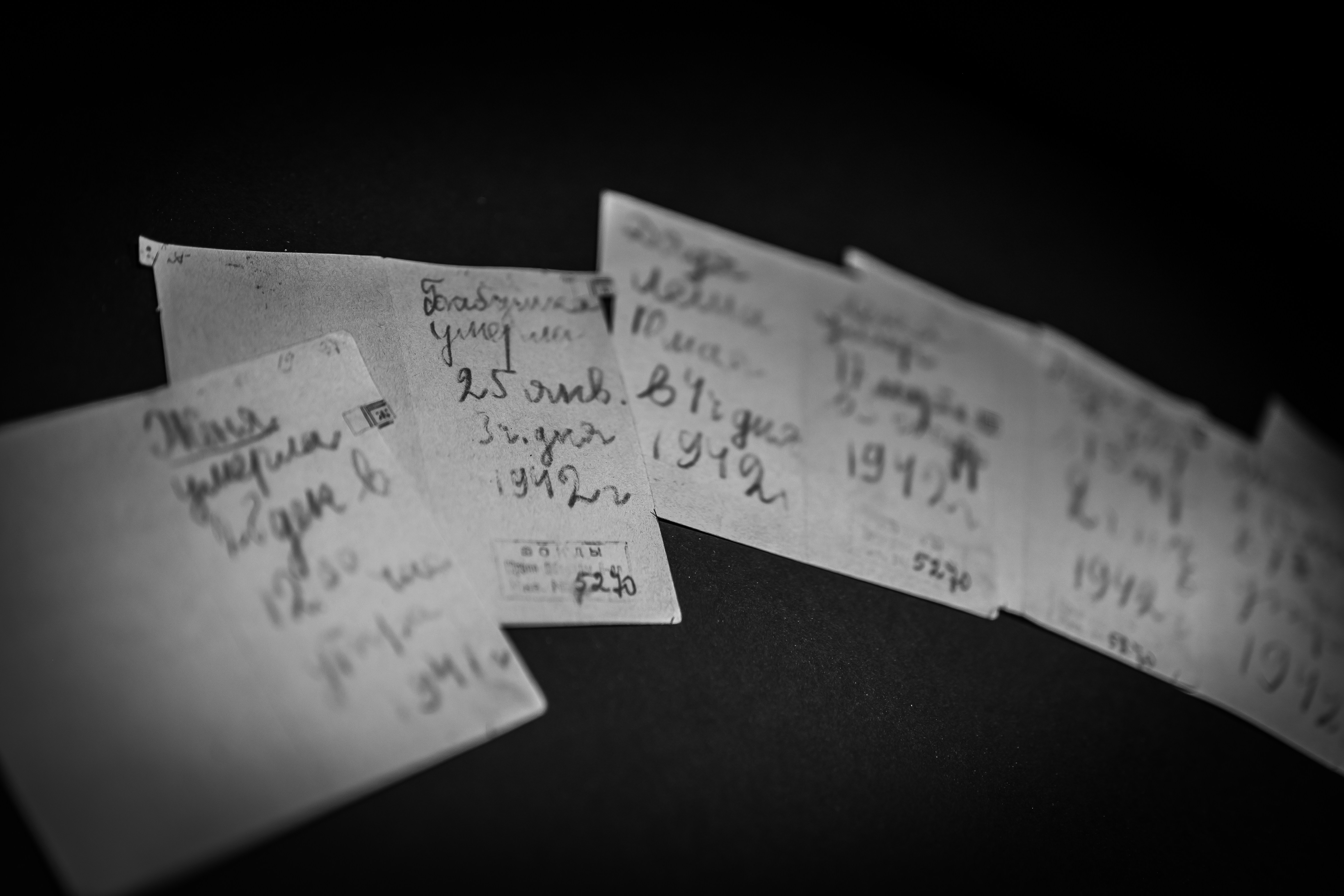
The Provenance module is concerned with identifying the complete history of physical assets, including ownership, exhibition history, repairs etc.
Workflow Management
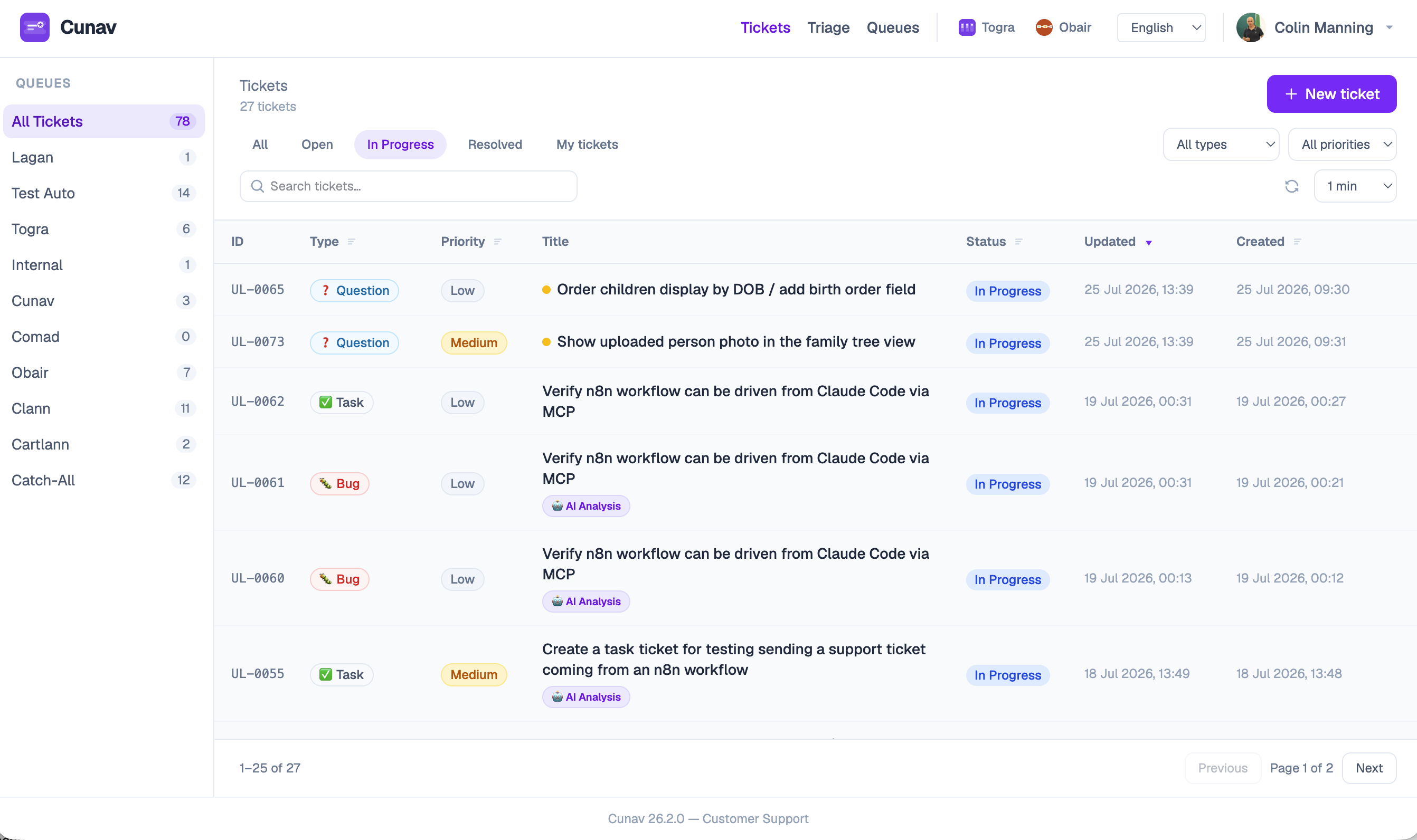
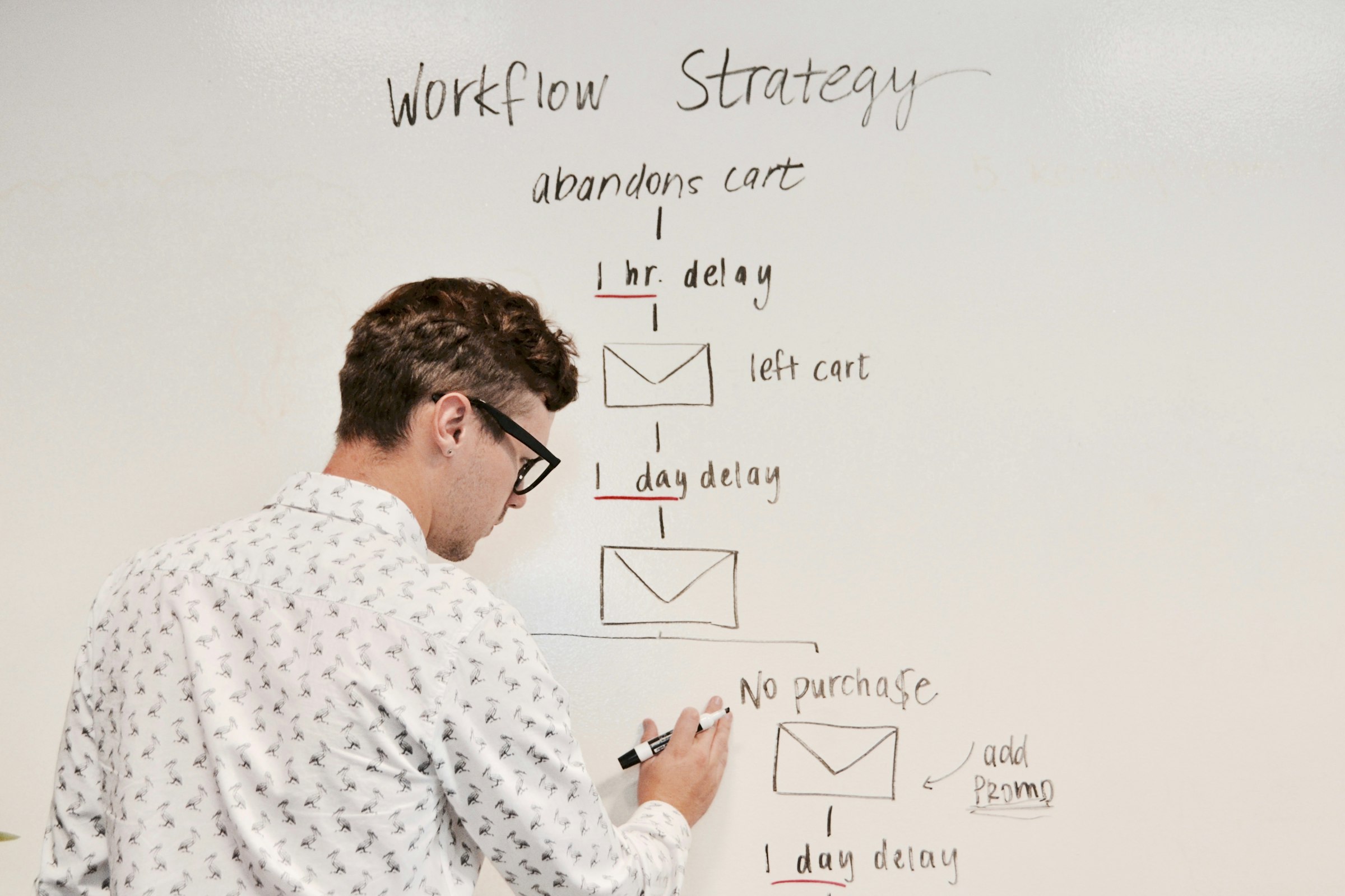
Workflow Management compromises digital and manual processes that allow the planning and tracking of activities related to digital and/or physical assets. Processes may be automated or manual (i.e. worked on by humans). Workflows define the processes, and can be simple (e.g. a To Do list) or complex (involving multiple related automated and/or manual processes).
Key features of a workflow engine are Rules and State Propegation, where workflow activities can derive their status from rules and patterns without the need to write complex customised software.